
Wimbledon Dress Code Dispute: Rising Star Faces Unusual Scrutiny
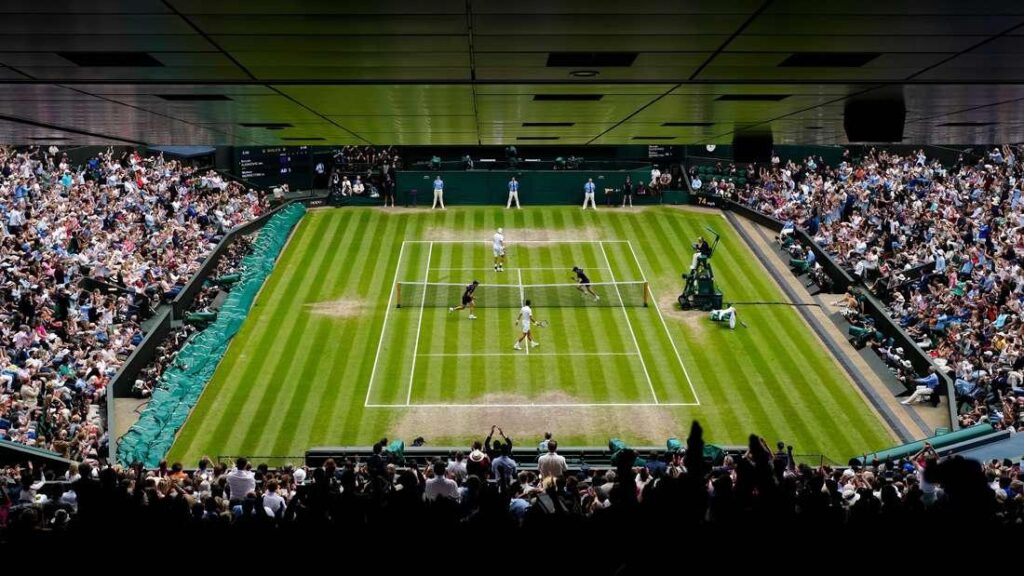
In an unexpected turn of events at teh renowned Wimbledon tournament,a promising tennis player found herself embroiled in a heated debate over the event’s dress code. Officials reportedly requested that she lift her skirt to confirm adherence to the tournament’s stringent attire regulations, igniting widespread discussion about the appropriateness and implications of such oversight. As attention from the tennis community intensifies, this incident prompts essential inquiries into personal expression, tradition, and evolving standards for sportswear at one of the most celebrated events in athletics. This article explores the details surrounding this encounter,reactions from both the athlete and broader tennis community,as well as it’s implications for dress codes in professional sports.
Wimbledon’s Dress Code Controversy Exposes Strict Norms for Female Athletes
The recent episode involving a notable female competitor at Wimbledon has reignited conversations regarding the tournament’s rigid dress code—one that many believe disproportionately impacts women. In an incident that drew meaningful backlash and disbelief, officials asked her to lift her skirt to ensure compliance wiht Wimbledon’s notorious all-white policy enforced by The All England Club. This event underscores how excessively strict rule enforcement can overlook athletes’ comfort and autonomy.
The conventional dress code at Wimbledon is steeped in history; however, its enforcement often appears overly severe. Critics argue that several factors highlight an urgent need for reform regarding how these guidelines are applied:
- Gender disparity: The intense scrutiny faced by female players often contrasts sharply with more lenient standards imposed on their male counterparts.
- Public Image: such incidents contribute to narratives that undermine women’s professionalism within sports.
- Athlete Comfort: Stringent attire requirements can lead to discomfort or distraction during competition.
| Aspect | Male Competitors | Female Competitors |
|---|---|---|
| Dress Code Adaptability | Lax regulations | Tight restrictions |
| Sparse enforcement |
Gender Disparities in Sports Attire Policies and Their Impact
The renewed focus on gender disparities within sports attire policies has emerged following instances where female athletes have faced unreasonable scrutiny over their clothing choices. The case involving a player at Wimbledon being asked to lift her skirt illustrates a larger issue affecting women across various athletic disciplines. Regulations dictating what female competitors must wear can undermine their performance capabilities while infringing upon their dignity and autonomy. At its core lies an outdated notion suggesting women’s bodies should conform to antiquated ideals rather than emphasizing their athletic prowess.
The ramifications of these dress codes extend beyond individual athletes; they reverberate throughout sporting culture as well. Consider these potential impacts:
- Mental Pressure: Female competitors may become preoccupied or self-conscious about their appearance instead of concentrating on gameplay.
- Pervasive Exclusionary Practices:This rigidity may deter young girls from engaging with sports altogether,
perpetuating cycles of underrepresentation.
| Aspect | Male Sports | Female Sports |
|---|---|---|
| Attire Freedom | < td >Greater options available < td >Strict norms often outdated||
Proposals for Evolving Dress Code Regulations in Tennis
The recent situation involving scrutiny over a player’s outfit has raised vital questions concerning current dress code regulations within tennis.
It is indeed clear these rules—frequently enough rooted deeply in tradition—may not align with contemporary values surrounding professionalism or personal expression.To cultivate a more inclusive atmosphere,
governing bodies should consider implementing several key changes:
- < strong>Diverse Attire Policies : < strong>Create Gender-Neutral Standards :< strong Establish uniform guidelines applicable across genders , promoting equality.< li /> < strong>Prioritize Comfort & Performance :< strong Focus on fabrics/designs enhancing athlete comfort/performance , especially under varying weather conditions .< li /> < strong>Cultivate Inclusivity & Diversity :< strong Encourage designs catering diverse cultural backgrounds/athletic needs , reflecting sport’s varied participants/fans .< li />
Alongside revising attire regulations ,
it is crucial also establish transparent consultation processes engaging players/coaches/stakeholders directly affected .
By forming committees dedicated towards addressing such matters ,
governing bodies could gather insights directly from those impacted by existing policies .
Potential outcomes might include:
| < b>Proposed Change</b>< >Expected Outcome</b>< / tr >/thead /tr /> / tbody | /tr /> / tbody | /table>
Related Posts   
Add A Comment |
|---|