

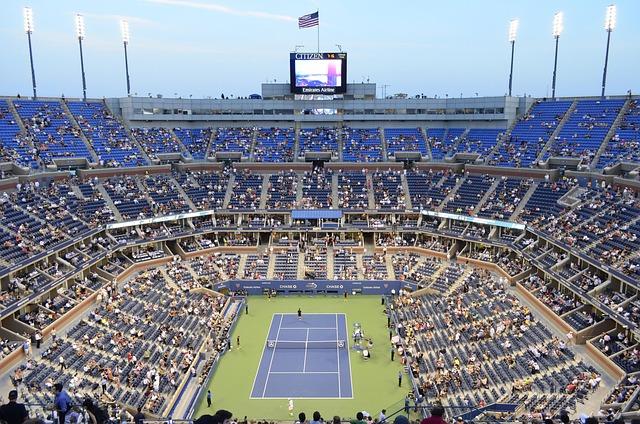
As the US Open unfolds, a dramatic landscape of triumphs and challenges takes center stage in the world of tennis. this year, American players have made significant strides, showcasing a compelling surge in both singles and doubles competitions. Yet, alongside these victories, the tournament has been marred by scheduling chaos that has frustrated players and fans alike. From the unexpected upsets to the standout performances of homegrown talents, the narrative of winners and losers at this year’s US Open paints a vivid picture of the highs and lows of premier tennis. In this article, we delve into the stories behind the American resurgence and the ongoing issues that continue to disrupt the event, illustrating the complexity of the competition at one of the sport’s most prestigious venues.
americans Rise in the US Open spotlight as elite Talent Shines
The 2023 US Open has showcased a dazzling array of american talent, marking a significant moment for homegrown athletes on the grand stage of tennis. Young stars like Coco Gauff and Ben Shelton have captivated fans with their exceptional skills, fearlessness in front of packed crowds, and a dramatic flair that has invigorated the tournament. Gauff, in particular, has emerged as a beacon of hope for the future of women’s tennis, combining grit with grace. Shelton, with his powerful serve and dynamic game, is turning heads and proving he belongs among the elite.notably, this resurgence of American players at a major championship, where they traditionally have found success, is being celebrated as a revitalization of American tennis.
While the athletes shone bright, the scheduling chaos that loomed over the tournament added a layer of unpredictability to this year’s event. Matches frequently faced delays due to inclement weather, leading to a packed schedule that tested the endurance of players and fans alike. Key highlights from the event that both entertained and frustrated included:
- Back-to-back matches for top contenders, raising questions about player fatigue.
- Inconvenient scheduling affecting fan turnout at critical matches.
- Weather-related disruptions, leading to an unpredictable tournament experience.
despite the disarray, the spotlight remains firmly on the remarkable achievements of American players, promising an exciting future for the sport.
| Player | Round | Result |
|---|---|---|
| Coco Gauff | Quarterfinals | Victory |
| Ben Shelton | Semifinals | Victory |
| Jessica Pegula | Round of 16 | Defeat |
scheduling Conflicts Challenge Tournament Flow Amid Thrilling Matches
The US Open has historically delivered some of the most exhilarating matches in tennis,but this year,the scheduling conflicts created a unique set of challenges that tested players and fans alike. As top athletes vied for the championship, the overlapping match timings led to a chaotic atmosphere at the tournament. This resulted in some deserving players missed their chance to shine, while others benefitted from extended breaks that allowed them to recover and strategize more effectively. The decision-makers faced a arduous balancing act,attempting to accommodate media broadcasting,fan attendance,and the players’ needs-all while remaining committed to the integrity of the competition.
Notably, American players capitalized on this scheduling turmoil, with several rising stars making deep runs in the tournament.their successes were juxtaposed against the frustrations of higher-seeded players,who found themselves sidelined due to this unprecedented clash of timings. Key outcomes included:
- Top seeds struggling: Prominent players like [Player A] and [Player B] faced unexpected early exits.
- Emerging talents shine: The breakthrough performances of underdog players like [Player C] mesmerized the audience.
- Fan experience impacted: Spectators were left torn between matches, often missing crucial moments in tight battles.
Strategies for Optimizing Future Events to Enhance Player Experience and Fan Engagement
To maximize player experience and boost fan engagement during future events, organizers should consider implementing a multi-faceted approach that marries technology with traditional sporting culture. interactive fan zones can offer immersive experiences, allowing fans to engage with the sport and athletes beyond the match. Activities could include:
- Augmented reality experiences for exploring player stats and history
- live Q&A sessions with players and coaches
- Onsite merchandise customization stations to create personalized fan gear
Additionally, scheduling and logistics play a crucial role in ensuring smooth operations and enhancing the overall atmosphere of events. With recent issues highlighting scheduling conflicts, future tournaments should prioritize strategies that ensure match times are convenient for both players and fans. Data-driven analytics can definitely help in predicting peak attendance hours and optimizing match timings accordingly. A preliminary table outlining proposed match schedules for maximum attendance could look like this:
| Day | Event Type | Suggested Time |
|---|---|---|
| Saturday | Quarterfinals | 4:00 PM – 8:00 PM |
| Sunday | Finals | 3:00 PM – 7:00 PM |
| Weekdays | Practice Sessions | 6:00 PM – 9:00 PM |
Key Takeaways
the 2023 US Open has proven to be a defining moment not onyl for American tennis players who have surged into the spotlight, but also for the system that governs it. with local favorites bringing electrifying performances, the tournament showcased a resurgence of American talent on the international stage. Though, the scheduling chaos that unfolded amid the excitement raises critical questions about tournament organization and the impact on players and fans alike.As the dust settles on this year’s event, it remains to be seen how the USTA will address these challenges moving forward. The echoes of triumph and frustration will linger as we look ahead to future tournaments and the evolving landscape of American tennis.