

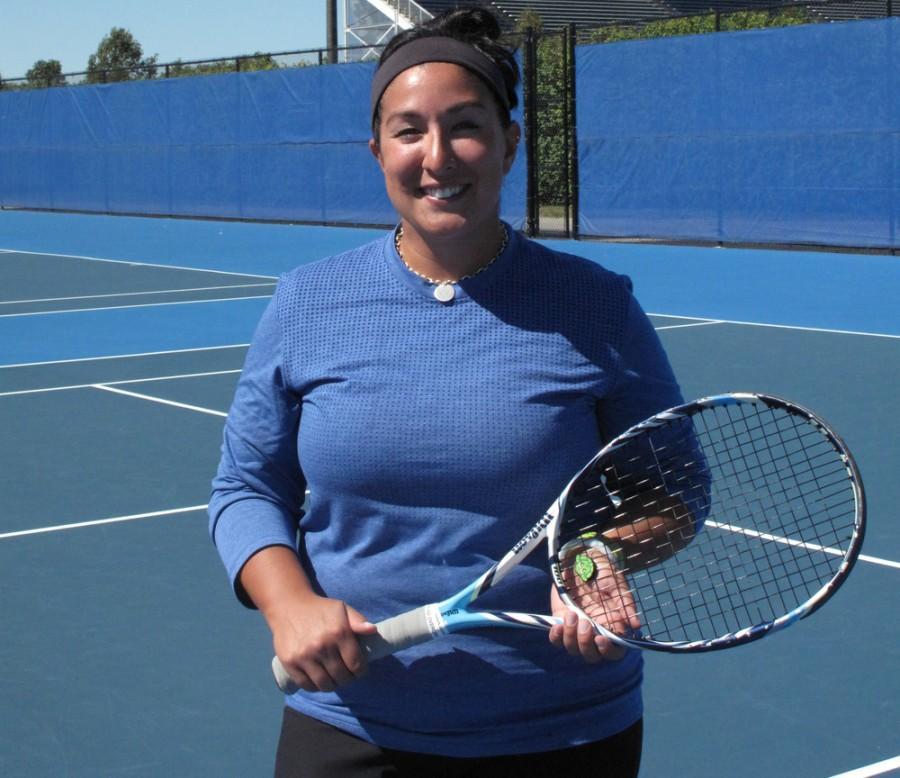
Transition in wisconsin Women’s Tennis Program
in an unexpected turn of events, the University of Wisconsin’s women’s tennis team is facing a meaningful shift as head coach Kate T.has decided to step down just weeks ahead of the 10th season kickoff. This pivotal moment signals a new era for the Badgers, who have experienced both triumphs and hurdles during her tenure. As preparations begin for this upcoming chapter, uncertainty looms regarding the program’s future trajectory and how this change will affect both players and their performance in the forthcoming season. The athletic department is now under pressure to swiftly appoint a successor to ensure continuity as competition draws near.
Challenges Following Coach Departure
The abrupt exit of the women’s tennis coach has plunged Wisconsin’s program into disarray at a critical juncture—just weeks before what was anticipated to be an crucial tenth season. With essential strategies needing refinement and team dynamics requiring stabilization, this transition raises pressing questions about their prospects for success in the coming year. Reports suggest that this decision was unforeseen, leaving athletes and staff scrambling to adapt while raising concerns over recruitment efforts, training protocols, and overall team morale.
In light of this coaching change, immediate challenges must be addressed to maintain competitive performance:
- Recruitment Efforts: Attracting fresh talent amidst prevailing uncertainties.
- Coaching Continuity: Securing interim leadership or appointing a new head coach promptly.
- moral Support for Players: Ensuring confidence levels remain high among team members during this transition.
The athletic department’s leadership will play an integral role throughout this period of adjustment.An urgent meeting is scheduled to discuss strategies moving forward while prioritizing both current players’ needs and those considering joining the program under new guidance. The stakes are undeniably high as the Badgers gear up for a challenging schedule amid these unforeseen changes.
Effects of Coaching Transition on Team Dynamics
The sudden departure from Wisconsin’s women’s tennis coaching position presents considerable obstacles just weeks before launching into a new season. Players are now confronted with uncertainty that could disrupt their training routines and mental readiness. A shift in leadership can lead to alterations in team dynamics; athletes may need time to adjust to different coaching philosophies,methodologies,and expectations that diverge from what they previously knew. This adjustment phase is crucial for preserving unity within the squad as they navigate varying styles of play introduced by potential new coaches.
As remaining coaching staff members step up during this transitional phase, several factors must be taken into account:
- Open Communication: Establish clear channels for addressing player concerns effectively.
- Tweaking Training Regimens: New coaches might introduce altered schedules or drills requiring quick adaptation from players.
- Mental Fortitude Support: Additional resources might potentially be necessary so players can cope with psychological impacts stemming from these changes while maintaining focus on their goals.
The ramifications of such transitions extend beyond immediate adjustments; they can also influence long-term player development trajectories along with recruitment strategies moving forward. A well-defined plan integrating incoming coaches’ philosophies will be vital in sustaining competitive advantages within collegiate tennis landscapes.
The table below outlines potential focal points that could assist teams through transitional phases effectively:
| Main Focus Areas | Suggested Action Steps |
|---|---|
| Cultivating Trust | engage in team-building exercises aimed at strengthening relationships among members.< /td > |
| Regular Feedback Mechanisms< /td > > | Conduct frequent one-on-one sessions allowing players space to express thoughts.< /td > |
Strategies for Recruiting New Leadership in Women’s Tennis Coaching
The recent departure opens doors for Wisconsin to rejuvenate it’s women’s tennis program by attracting remarkable leadership talent through effective recruitment strategies tailored towards identifying promising candidates nationwide.
Utilizing connections across collegiate athletics departments alongside social media outreach could significantly broaden recruitment efforts.additionally hosting community events featuring esteemed professionals may enhance visibility while appealing directly toward prospective candidates interested in joining such programs.
Establishing attractive compensation packages remains paramount when seeking out qualified individuals capable enough leading teams successfully:
Consider implementing these key components within your strategy:
- < strong >competitive Salary:< / strong > Align salaries offered against national averages seen elsewhere similar institutions .< / li >
- < strong >Facility Enhancements:< / strong > Invest heavily modernized training facilities boosting overall appeal .< / li >
- < strong >career Growth Opportunities:< / strong > Provide avenues professional development ensuring continuous improvement amongst staff .< / li >
- < strong >Inclusive Habitat Promotion:< span style=""> Foster positive inclusive culture valuing diversity throughout entire organization.< span >
Recruitment Strategy< th style=""> Description “Compensation Package” “Ensure salaries perks attract quality candidates.” “Facilities Investment” “Upgrade facilities aligning modern standards.” Related Posts


 Add A Comment