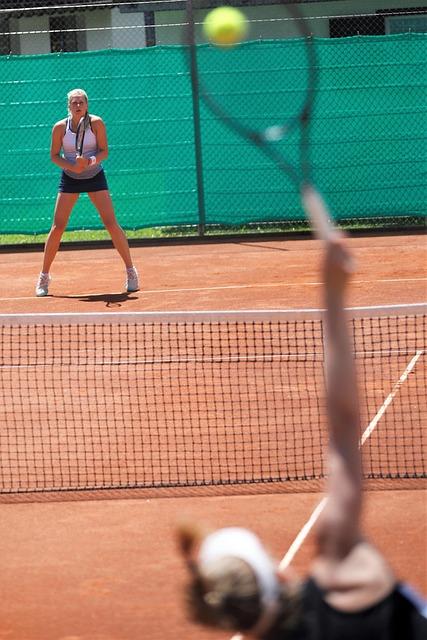


In a dramatic turn of events at the Dubai Tennis Championships, Spanish tennis star Paula Badosa voiced her frustration and defiance against critics following her sudden retirement due to injury. In a statement that reverberated through the sports community,Badosa responded to the backlash surrounding her decision to withdraw from the tournament,asserting that her struggles are frequently enough misunderstood by those outside the arena. The incident not only highlights the physical demands of professional tennis but also raises questions about the scrutiny athletes face in the public eye. With her candid remarks, Badosa aims to shed light on the complexities of injury management in high-stakes competitions and the emotional toll it can exact on players. As the tennis world reflects on her comments, the conversation around athlete vulnerability and the pressures of performance continues to unfold.
Badosa Addresses Critics’ Misunderstandings Surrounding Dubai Injury Withdrawal
Following her unexpected withdrawal from the Dubai Tennis Championships due to a recurring injury, Paula Badosa found herself bombarded with criticism from both fans and commentators alike. In a candid and emotional response, the Spanish star expressed her frustration, saying, “You have no idea what it feels like to be in my shoes.” She emphasized the immense pressure athletes face,particularly regarding injuries that may not be visible to an outsider. Badosa stressed that the complexities of her situation were simply not understood by those who were quick to judge her decision to pull out of the high-stakes match.
In her defense, Badosa outlined several key points about the challenges she faces as a professional athlete, including:
- Physical strains: The toll her rigorous training and tournament schedules take on her body.
- Mental health: How injuries can affect an athlete’s psyche and overall performance.
- Escalating pressure: The weight of expectations from fans, sponsors, and herself to perform despite adversity.
To further clarify her situation, she also pointed out the lack of understanding around injury management in professional sports, wich often requires nuanced decision-making that the casual observer may overlook. Badosa’s candid remarks serve as a reminder that behind every athlete is a complex individual navigating their physical and mental health,often in the face of public scrutiny.
Athlete Wellbeing: The Importance of Understanding Injuries in Competitive Sports
In a recent outburst following her retirement from the Dubai tournament due to injury, tennis star Paula Badosa addressed her critics with palpable frustration. “You have no idea what it’s like,” she stated emphatically, illustrating the intense physical and mental pressures athletes face. Badosa’s situation serves as a poignant reminder of the often unseen challenges of injury management in competitive sports. While fans cheer for their favorite players, they may overlook the complex reality of injury recovery and the toll it takes on an athlete’s wellbeing.
The dialog surrounding athlete injuries should prioritize understanding and empathy, as the toll of physical strain can led to significant setbacks in professional careers. Here are some crucial points to consider about athlete wellbeing:
- Physical Health: Injuries can severely impact an athlete’s performance and longevity in their sport.
- Mental Resilience: The psychological effects of being sidelined can lead to anxiety and depression.
- Support Systems: Having a strong network of coaches, medical professionals, and mental health support is essential.
- Education: Athletes and fans alike need to be educated about the realities of injury and recovery.
Navigating Public Scrutiny: Recommendations for Athletes Facing controversy
In the wake of public backlash following her decision to retire due to injury during a crucial match in Dubai, athletes frequently enough find themselves under intense scrutiny. such situations demand a measured response to maintain both professionalism and integrity.It’s essential for athletes to recognize that their well-being must take precedence, despite public perceptions.Here are some key strategies for dealing with criticism:
- Stay Focused on Personal health: Athletes should remember that injuries are part of their profession. Prioritizing recovery is vital, and sharing insight into their journey may help the public understand their decisions better.
- Communicate Transparently: Being open about the reasons behind decisions can foster empathy. Clear communication through social media or press statements can definitely help dampen speculation.
- Engage with Support Networks: Leaning on coaches, teammates, and mental health professionals can provide necessary support during tough times.
- Limit Exposure to Criticism: Reducing time spent on social media during controversies can help athletes maintain focus and protect their mental health.
Furthermore, utilizing public relations teams to manage the narrative can also be beneficial. Crafting a consistent, compassionate message can deflect negativity while highlighting commitment to the sport. Teams should consider addressing the issue head-on by presenting a brief overview of the athlete’s performance history, current challenges, and future goals in an organized manner. A simple table format can elucidate this effectively:
| Category | Details |
|---|---|
| Recent Performance | Strong showing until injury at Dubai |
| Injury Outlook | Expected recovery time: X weeks |
| Future Competitions | Plans to return by [Date] |
Insights and Conclusions
Paula Badosa’s fiery response to her critics following her injury retirement at the Dubai Tennis Championships highlights the emotional and psychological challenges athletes face in the public eye. Her passionate retort underscores the need for greater empathy and understanding towards players contending with the physical toll of professional sports. As the tennis world continues to rally behind her, Badosa’s determination to rise above adversity serves as a reminder of the resilience required in the pursuit of excellence. The incident not only sheds light on the unique pressures athletes endure but also calls for a more nuanced dialogue surrounding their health and well-being. As Badosa prepares to recover and return to the court, fans and critics alike are reminded of the human stories behind the competitive spirit of sport.