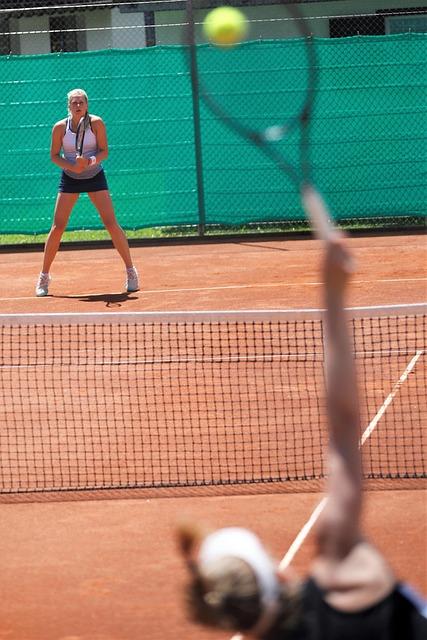


kamilla Rakhimova’s Transition: A New Chapter in Tennis
In a notable advancement within the tennis realm, Kamilla Rakhimova has officially transitioned from representing Russia to competing for Uzbekistan. This pivotal choice positions her as only the second Russian athlete to undertake such a change, following in the footsteps of Anastasia Pavlyuchenkova. This shift in national portrayal occurs against a backdrop of ongoing geopolitical tensions and evolving dynamics within the sports community, prompting discussions about national loyalty and identity among athletes. As Rakhimova prepares to embrace her new country’s colors, this move reflects both her personal aspirations and a broader trend where athletes are increasingly reassessing their national affiliations.
Kamilla Rakhimova’s journey: The Significance of Her Move to Uzbekistan
The recent decision by Kamilla Rakhimova to switch from representing Russia to competing for Uzbekistan signifies an critically important turning point in her career while adding complexity to international tennis. As she becomes the second player making this transition, her choice carries ample implications amid current geopolitical climates and how sports respond. Observers—both fans and analysts—are closely monitoring the potential ramifications of her decision, which may indicate a larger trend among athletes realigning their national ties due to shifting political landscapes.
This transition not only positions Rakhimova as an influential figure within Uzbek tennis but also raises intriguing questions regarding future representations for both nations involved. Key implications include:
- National Branding: By switching allegiances, Rakhimova could enhance Uzbekistan’s profile on the global tennis stage, potentially attracting sponsorships and support for local talent.
- Competitive Edge: With her skills and experience, she can significantly elevate Uzbekistan’s competitiveness internationally.
- Influence on Peers: Her move might encourage other Russian players to explore similar options, potentially reshaping how player representation is viewed globally.
Exploring National Identity in Sports: The Case of Kamilla Rakhimova
Kammila Rakhimova’s recent shift from Russia to uzbekistan highlights critical intersections between sports and national identity. As she joins fellow athletes who have made similar transitions, it underscores not just personal ambitions but also broader themes surrounding how national identity impacts athletic careers. High-profile competitors frequently enough navigate pressures related not only to cultural pride but also political contexts that influence their decisions throughout their careers.
This transition exemplifies an emerging trend where athletes are redefining their identities amidst changing geopolitical circumstances; many are opting for new representations that align with their professional goals. Key aspects surrounding this decision include:
- Athletic Opportunities: Competing under less competitive conditions may provide greater chances for accolades.
- Talent Development Support: Meaningful investments by Uzbekistan into sports infrastructure suggest robust backing for nurturing emerging talents.
- A Personal journey: This change illustrates rakhimova’s desire for autonomy over defining her sporting path beyond traditional boundaries.
Strategies for Enhancing Uzbekistan’s Tennis Program Post-Rakhimova Transition
Cognizant of Kamilla Rakhimova’s switch towards representing Uzbekistan, it is indeed crucial now more than ever to establish a comprehensive framework aimed at developing the nation’s tennis scene effectively. first off, creating extensive youth programs is vital; these initiatives should focus on identifying promising talent early on while being supported by modern training facilities equipped with cutting-edge technology. Additionally, organizing regular developmental tournaments can foster competitive spirit among young players while providing them invaluable match experience.
The introduction of scholarships or financial incentives could further motivate aspiring athletes’ participation levels as well as commitment towards excellence in sport.
Moreover,
enhancing coaching standards will be essential moving forward; recruiting experienced coaches with proven success records will be necessary alongside implementing mentorship systems where seasoned professionals guide younger coaches across various regions.
The collaboration with international federations, focusing on knowledge sharing through workshops or training sessions can significantly improve coaching resources available locally.
Ultimately prioritizing building strong presences at international competitions will raise awareness about Uzbek talent globally while encouraging local support through sponsorship opportunities too!
Conclusion
Kammila Rakhимова’s decision to shift allegiance from Russia to Uzbekistan represents an important milestone within professional tennis—a reflection not just of individual ambition but also indicative trends regarding athlete nationality changes today! Being only one out two Russian players making such transitions enriches both countries’ sporting rosters whilst highlighting evolving dynamics present throughout our global athletic community! As Kammila embarks upon this exciting chapter ahead all eyes shall remain focused upon performances & contributions made toward advancing Uzbek Tennis further still! The impact stemming forth from these choices may inspire others facing similar crossroads emphasizing complexities intertwined between identity representation & competitive spirit prevalent across contemporary athletics!
`