

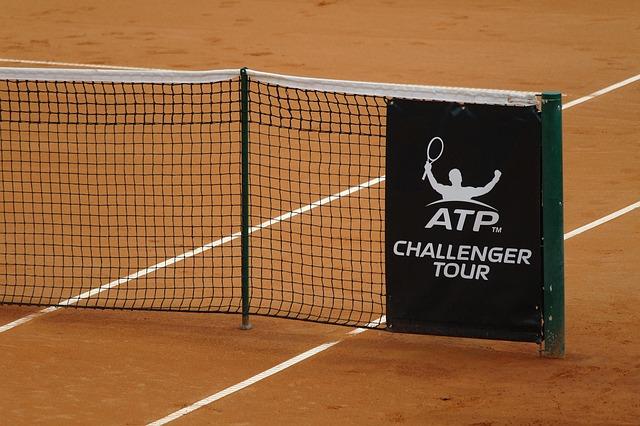
Men’s ATP Tennis to enforce Extreme Heat Policy Starting 2026
In a groundbreaking move that is set to transform the realm of professional men’s tennis, the ATP has declared its intention to introduce an extreme heat policy beginning in 2026. With rising temperatures and climate change becoming increasingly pressing issues, ensuring player safety and maintaining competitive fairness have taken center stage. This new regulation aims to protect athletes from the perils associated with extreme heat during tournaments, highlighting a growing awareness of the physical challenges players face in oppressive conditions.As the tennis community gears up for this pivotal change, advocates believe it will not only enhance player safety but also improve the overall quality of matches, setting a benchmark for other sports grappling with similar environmental challenges. This article explores the ramifications of this decision by the ATP, insights from key stakeholders, and how this initiative aligns with an evolving perspective on climate issues within contemporary sports.
Understanding the Rationale and Effects of Extreme Heat Policy in Men’s ATP Tennis
The introduction of an extreme heat policy in men’s ATP tennis starting in 2026 represents a crucial step towards prioritizing athlete health and performance. As global temperatures continue to rise due to climate change, concerns regarding player safety during matches have prompted this proactive measure. The new rule empowers officials to pause or delay play when temperatures reach hazardous levels, ensuring that athletes are not subjected to excessive physical strain. This adjustment is vital as research indicates that high temperatures can lead to increased occurrences of heat-related illnesses that adversely affect both performance and overall health.
The anticipated impact of this policy will considerably alter match dynamics and player strategies. By allowing regular breaks during periods of intense heat, players may find themselves better equipped to sustain focus and endurance throughout demanding tournaments. this regulation is expected to create more equitable playing conditions—particularly benefiting those who may struggle under such circumstances—and could necessitate changes in tournament scheduling as organizers adapt match times based on weather forecasts while adhering to these health guidelines. Key considerations include:
- Player Health: Prioritizing well-being will help reduce risks related to dehydration and heat exhaustion.
- Fair Competition: Standardizing playing conditions may elevate competition quality while enhancing athlete performance.
- Scheduling Flexibility: Organizers might need adaptable match schedules responsive to changing weather patterns.
Investigating Heat-Related Injuries in Tennis
The decision behind implementing an extreme heat rule for men’s ATP tennis from 2026 arises from increasing concerns about injuries linked with high temperatures among players. Studies reveal that extended exposure can result in various health complications such as dehydration, heat exhaustion, or even severe cases like heatstroke—conditions detrimental not only for immediate performance but also possibly harmful long-term effects on athletes’ health profiles. The ATP’s response underscores its commitment toward safeguarding player welfare by aligning with research emphasizing monitoring environmental factors during competitions.
To mitigate these risks effectively, the ATP plans on utilizing established scientific criteria for determining when conditions become unsafe for play; factors under consideration include:
- Wet Bulb Globe Temperature (WBGT):A comprehensive measure assessing temperature alongside humidity levels, wind speed, and solar radiation exposure.
- Hydration Monitoring:A continuous evaluation process ensuring players maintain adequate hydration before and throughout their matches.
- Bodily Responses:An ongoing assessment focusing on physiological reactions such as heart rate fluctuations or core body temperature changes due to heat exposure.
This initiative likely entails scheduled breaks along with adjustments made based on real-time temperature readings aimed at fostering safer playing environments while enabling athletes’ peak performances even amidst sweltering competition days.
Strategies for Athletes and Coaches adapting To New Heat Policies
as preparations unfold ahead of implementing new extreme heat regulations by 2026 within men’s tennis circuits; it becomes essential for both players & coaches alike—to proactively adjust their training methodologies accordingly.
A primary focus should be placed upon hydration practices; athletes are encouraged towards developing tailored hydration strategies reflective upon varying climatic elements present during match days.
Monitoring fluid intake pre-, mid-, & post-match remains critical—striking balance between preventing dehydration without inducing discomfort.
Additionally employingCooling Techniques; such as ice vests/towels utilized strategically throughout breaks can significantly bolster athletic output thru lowering core body temps thereby reducing susceptibility towards adverse effects stemming from excessive warmth!
Coaching staff should emphasize training regimens designed specifically around acclimatization processes concerning elevated thermal environments; scheduling practice sessions intentionally timed around peak daytime hours simulating actual competitive scenarios enhances preparedness!
Moreover integrating robust recovery protocols into daily routines fosters resilience & stamina progress over time whilst educating all involved parties regarding recognizing early signs indicative towards potential onset symptoms associated either directly/indirectly linked back again unto overheating situations ensures everyone remains vigilant about listening closely unto their own bodies’ signals!
Conclusion
The establishment of an extreme heat policy within men’s ATP tennis commencing year twenty twenty-six signifies monumental progress toward prioritizing athlete wellness amid increasingly challenging climates faced across professional sporting arenas today! Such decisions reflect heightened cognizance surrounding implications posed via ongoing shifts attributed directly back onto our planet’s habitat necessitating adaptive measures moving forward into future seasons ahead! As fans officials alike prepare themselves collectively embracing what lies ahead—it becomes evident how much duty rests squarely upon governing bodies tasked overseeing fair yet safe experiences provided unto dedicated competitors striving tirelessly pursuing excellence day after day regardless external pressures encountered along way forward together onward still further down path laid out before us all…