
JMU Men’s Tennis Faces Tough Loss Against William & Mary
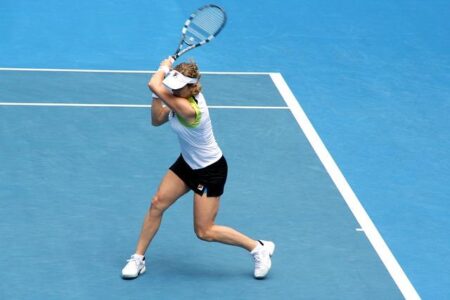
In a fiercely competitive showdown that highlighted the determination and talent of both squads, the James Madison University men’s tennis team experienced a narrow defeat against William & Mary, ending with a score of 4-2 on Saturday. The event took place at the JMU Tennis Complex and underscored the intense rivalry between these two teams.Despite commendable individual efforts, the Dukes struggled to clinch pivotal points during critical moments, ultimately resulting in their loss. This match not only illustrates the ongoing hurdles faced by JMU this season but also sets up future contests as they aim to regroup and refine their strategies for advancement.
The Effect of Injuries on JMU’s performance Against William & Mary
the recent encounter between JMU and William & Mary exposed notable challenges for the Dukes, primarily due to injuries that impacted their lineup. With several key players unavailable, maintaining competitiveness proved difficult, culminating in a disappointing 4-2 outcome.notable absences included:
- Top Singles Player: The absence of this player was especially felt during singles matches.
- Doubles Team Member: A lack of synergy in doubles play hindered JMU’s ability to secure early leads.
As the match progressed, it became evident that these injuries had both physical and psychological ramifications. Remaining players were tasked with stepping up; however, they faced immense pressure. Despite commendable performances from both second singles and third doubles, overcoming these disadvantages proved too challenging. Below is an overview of match results highlighting affected positions:
| matchup | Status for JMU | Status for Opponent |
|---|---|---|
| first Singles | Lose | Win |
| Second Singles | Succeed | Lose |
Enhancing Doubles Play for Future Competitions
The Dukes must concentrate on improving their doubles performance as they regroup after facing William & Mary’s challenge. One effective approach involves enhancing teamwork through focused practice sessions aimed at boosting communication skills among players on court—fostering rapport that translates into better coordination during matches can include:
- Scheduled team-building exercises:Aimed at understanding each other’s strengths and weaknesses.
- Certain drills:Tailored to enhance response times under pressure.
- An analysis of past games via video footage:This helps identify patterns needing improvement.
Additionally, placing emphasis on strategizing serves and returns could led to improved outcomes in matches ahead by analyzing opponents’ vulnerabilities effectively might involve implementing tactics such as:
- Customized serve-and-volley practices: This targets opponents’ weaknesses directly .
- Utilizing specific formations :
for example , one player positioned at net while another stays back enhances tactical options .
- In-match evaluations :
These allow quick adjustments based upon real-time observations .
Momentum Analysis During Matches: Looking Ahead
The closely fought contest against William & Mary revealed significant momentum shifts impacting its outcome profoundly . early stages saw Dukes capitalize aggressively , securing doubles point through strategic serves coupled with well-executed shots ; though , inconsistencies arose once transitioning into singles play leading them downwards due mainly towards high-pressure situations resulting dropped sets alongside crucial errors allowing rivals gain ground.
Key factors contributing this shift included :- Losses during critical service games occurring pivotal moments ;
- Struggles maintaining focus throughout lengthy rallies ;
- Increased errors occurring break points ;
Moving forward , addressing vulnerabilities becomes essential if Dukes wish regain competitive edge. Emphasizing mental toughness alongside consistent training within high-pressure scenarios will prove vital preparations upcoming matches ahead.
Strategic adjustments gameplay may help fortify doubles strategy while reinforcing resilience within singles play :- Improving communication amongst teammates during double events ;
- Developing targeted drills specifically designed late-set scenarios ;
- Seeking mental performance coaching aimed bolstering focus .
Related Posts